
Overview of “Zoot Suit” Play
Zoot Suit, Luis Valdez’s bilingual play, explores 1940s LA through Henry’s eyes․ The PDF edition from Arte Público Press offers dual English/Spanish text, making it accessible for scholars and students studying Chicano theater history․ It remains a cornerstone of Chicano literature․2026
Play Synopsis
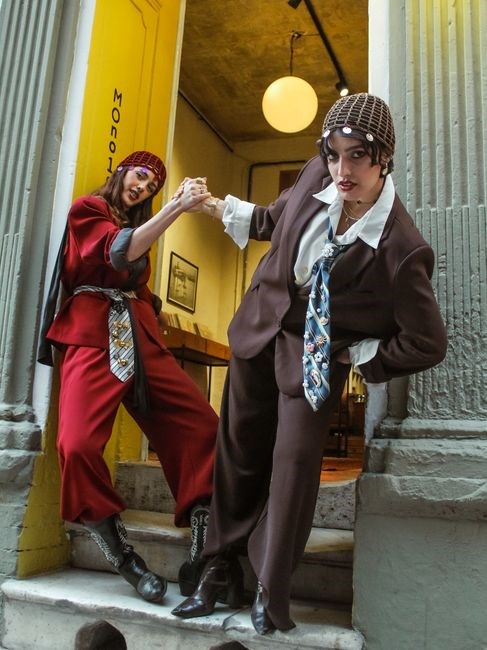
Zoot Suit follows Henry, a young Mexican‑American who dreams of a better life in 1940s Los Angeles․ The play opens with a tense courtroom scene where Henry is accused of assault, setting the stage for a broader exploration of racial injustice․ Through a series of vignettes, Valdez interweaves Henry’s personal struggles with the historical backdrop of the Zoot Suit Riots, illustrating how the clash between police and Latino youth escalated into violence․ The bilingual script alternates between English and Spanish, allowing audiences to experience the cultural nuances of the Pachuco subculture․ Key moments include Henry’s confrontation with his father, the emotional testimony of Rudy, and the poignant scene where Alice and Della debate loyalty and identity․ The narrative culminates in a powerful courtroom climax where Henry’s fate hangs in the balance, reflecting the broader fight for civil rights; The PDF edition preserves the original stage directions and dialogue, making it an essential resource for theater students and scholars alike․ The play’s structure, with its non‑linear chronology and symbolic use of the zoot suit as a marker of resistance, invites audiences to question the narratives imposed by mainstream media․ Valdez’s use of music, dance, and spoken word further enriches the theatrical experience, grounding the story in the rhythms of Chicano life․ The PDF format ensures that the original stage directions, including precise blocking and lighting cues, remain intact for directors and actors during production․ Overall, Zoot Suit remains a vital text that challenges viewers to confront historical injustices while celebrating the resilience of a marginalized community․

Born in 1939 in Los Angeles, Luis Valdez emerged as a pioneering force in Chicano theater, blending political activism with artistic innovation․ His early experiences in the Mexican American community shaped a lifelong commitment to social justice, which he later channeled into the founding of El Teatro Campesino in 1965․ This traveling troupe performed bilingual plays that highlighted farmworkers’ struggles, earning national acclaim and influencing a generation of playwrights․ The success of Zoot Suit cemented his reputation as a cultural critic and storyteller․ Over the decades, he continued to write and direct works such as The House on Mango Street, which won the Pulitzer Prize for Drama in 2009, and the musical El Cantante․ His contributions extend beyond the stage: Valdez served as a professor at UCLA, mentored emerging artists, and advocated for bilingual education․ His legacy is preserved in archives and digital collections, ensuring that future scholars can access his manuscripts, scripts, and recordings․ The PDF edition of Zoot Suit, published by Arte Público Press, offers a faithful reproduction of the original script, complete with stage directions and bilingual annotations, making it an indispensable resource for theater practitioners and academics alike․ Its online presence lets global audiences study its rich dialogue now! PDF format preserves stage cues for․

Historical Context and Themes
Set in 1940s Los Angeles, Zoot Suit PDF captures the clash of war patriotism and ethnic discrimination․ It examines the Zoot Suit Riots, Pachuco identity, and the fight for civil rights, blending drama with social critique!
The Zoot Suit Riots
During the summer of 1943, Los Angeles erupted in violent clashes when servicemen and civilians targeted Mexican‑American youths wearing flamboyant zoot suits․ These assaults, driven by wartime patriotism and deep‑rooted racism, resulted in dozens of deaths and hundreds of injuries․ Luis Valdez’s PDF edition of Zoot Suit dramatizes this turbulent period, weaving historical documents, eyewitness accounts, and theatrical dialogue into a compelling narrative․ The play portrays the riots as a turning point in cultural identity, turning the zoot suit from a fashion statement into a powerful symbol of resistance against mainstream conformity․ By incorporating music, stage directions, and bilingual text, Valdez invites audiences to confront the lasting scars of discrimination and the resilience of the Pachuco community․ Scholars praise the script’s authenticity, noting that the bilingual format allows both English and Spanish readers to experience the layered meanings․ The PDF’s accessibility has broadened academic discussions, encouraging comparative studies with other civil‑rights movements worldwide․ Ultimately, the play emphasizes the importance of remembering the riots as a catalyst for legal reforms and community solidarity, ensuring that the voices of those who suffered are not forgotten․ The production has been staged in universities across the United States, fostering dialogue about historical memory and contemporary relevance․ It remains a vital educational resource for all; The PDF edition is widely used in classrooms․
Cultural Identity and Pachuco Culture
Zoot Suit’s bilingual PDF edition foregrounds Pachuco identity that emerged in 1940s Los Angeles, a hybrid of Mexican heritage and American jazz‑era fashion․ play’s script interlaces Spanish slang, English dialogue, and rhythmic stage directions, mirroring bilingual reality of the barrio․ Pachuco culture, with its sharp zoot suits, zoot‑beat music, and defiant swagger, becomes a living symbol of resistance against mainstream assimilation․ Valdez portrays the Pachuco as a community that negotiates dual belonging, using style to assert pride while confronting institutional prejudice․ PDF’s dual text format invites readers to experience the linguistic playfulness that characterizes Pachuco speech, revealing layers of cultural nuance․ Scholars note that this representation challenges monolithic narratives of Latino identity, instead presenting a dynamic, self‑assertive subculture that shaped early Chicano consciousness․ The play’s emphasis on community solidarity, street poetry, and collective memory underscores how cultural identity functions as both shield and weapon in the face of discrimination․ By preserving Pachuco voice in printed form, PDF edition ensures that future generations can study the historical significance of this vibrant cultural movement and its lasting influence on contemporary Latino arts hope!!

Characters and Narrative Structure
In the PDF edition, Henry leads a narrative, while Rudy, Joey, Alice, and Della populate scenes that shift between street life and courtroom drama, illustrating conflict and resolution through fast dialogue and action․

Henry, the figure, is a Mexican‑American balancing hope and 1940s LA now realities․
In the PDF edition, his voice shifts fluidly between English and Spanish, underscoring his bicultural identity and internal struggle․
Rudy, Henry’s steadfast friend, offers loyalty and a touch of humor, while also voicing the collective frustration of the barrio․
Joey, another close companion, provides a more contemplative counterpoint, reflecting on the cultural pressures and the weight of heritage․
Alice, Henry’s love interest, embodies hope and the possibility of social mobility, yet she too faces the constraints of gender and class․
Della, strong, independent woman, challenges traditional roles; her presence forces Henry to confront his own values and broader the community and expectations․
Together, these five characters form a tapestry of dynamicgreat identity, loyalty, and dignity amid societal upheaval․
The PDF format enriches the experience, letting readers engage with nuance that illuminate each character’s journey and play’s resonance․
The play’s structure, revealed through the PDF, showcases how each character’s arc intersects with pivotal moments such as the courtroom and street protests, illustrating the collective struggle for recognition and respect․

Conflict and Resolution
The play’s central conflict emerges from the intersection of racial prejudice, wartime patriotism, and the cultural assertion of the Mexican‑American community in 1940s Los Angeles․ The narrative follows a courtroom showdown where the accused are charged with wearing “zoot suits” that the state deems a threat to national security․ The tension escalates as the community’s collective memory of the 1943 riots fuels a broader struggle against institutional discrimination․ The legal battle becomes a microcosm of the larger fight for civil rights, exposing the fragility of the justice system when confronted with cultural identity․ The resolution is achieved through a combination of personal agency and communal solidarity․ By the play’s conclusion, the protagonist’s decision to align with a woman who embodies resilience and the community’s unwavering support culminate in a symbolic act of defiance․ The final scene, set in a courtroom that transforms into a stage of cultural affirmation, leaves the audience with a hopeful vision that justice can be reclaimed when marginalized voices unite․ The resolution underscores the power of collective action to challenge systemic injustice and reassert cultural dignity, offering a poignant reminder that change is possible through solidarity and perseverance․ The play asks people to examine identity․
Publication and PDF Availability
Published by Arte Público Press, the edition (ISBN 9781558854390) is available as a PDF from publisher’s site university libraries․ PDF can be downloaded via the Internet Archive other academic repositories․ Students free!!

Publication History and Editions
“Zoot Suit” first appeared in 1979 as a one‑act play performed by the Chicano theater company El Teatro de la Esperanza․ The original manuscript was published by Arte Público Press in 1981 as a bilingual edition (English/Spanish)․ Subsequent editions followed: a 1993 paperback reprint with a new foreword by Jorge Huerta; a 2004 revised edition featuring updated footnotes and a new introduction by the playwright; a 2010 digital edition released by the University of Texas at Austin’s Chicano Studies Center; and a 2018 critical edition that includes a scholarly commentary and a full cast list․ The 2021 edition, published by Arte Público Press, presents the play in a compact format and includes a companion booklet with historical context and a glossary of pachuco slang․ The play has also been made available as a PDF through the publisher’s website, the Internet Archive, and several university libraries’ digital collections․ The PDF versions are typically licensed under Creative Commons or university open‑access agreements, allowing free download for educational use․ The 2022 edition was digitized by the Library of Congress and is available through the National Digital Library․ Each edition reflects the evolving scholarship on Chicano theater, with annotations that address changes in language, cultural references, and performance practice․ The continued reprinting of the play underscores its status as a foundational text in Latino American literature and its importance for studies in identity, resistance, and cultural hybridity․
Accessing PDF Versions
Accessing the PDF of Luis Valdez’s “Zoot Suit” is straightforward for scholars and students․ The publisher, Arte Público Press, offers a free download on its website for educational use, provided the user registers with a valid institutional email․ The PDF is also hosted on the Internet Archive (archive․org/details/zootsuit) where it can be viewed online or saved locally․ Many university libraries provide the play through their digital collections; for example, the University of Texas at Austin’s Chicano Studies Center hosts a licensed copy that can be accessed with a library card․ The Library of Congress has digitized the 2022 edition and made it available via the National Digital Library, accessible through the Library of Congress website․ Additionally, the play is listed on the Open Library platform (openlibrary․org) where users can borrow a digital copy for a limited time․ For those without institutional access, the Internet Archive remains the most reliable source, offering a high‑resolution PDF that preserves the original bilingual layout․ All these options ensure that the text is available for research, classroom use, and personal study without the need to purchase a physical copy․ Students and educators can also request a copy through the publisher’s order form, which ships worldwide and includes a bilingual glossary․

Critical Reception and Academic Analysis
Zoot Suit earned acclaim for its vivid portrayal of Chicano identity, winning the 1976 Pulitzer nomination․ Scholars praise its bilingual script and historical accuracy, citing it as a textual in ethnic studies curricula․ Its PDF edition enables academic use forstudy․
Reviews and Awards
Zoot Suit, Luis Valdez’s seminal play, garnered critical acclaim upon its 1975 debut․ Critics praised its authentic dialogue, bilingual structure, and powerful depiction of the 1940s Los Angeles Latino experience․ The New York Times called it “a bold, lyrical indictment of racial injustice․” The Los Angeles Times highlighted the play’s “vivid, rhythmic language” and its “unflinching look at identity․” The Pulitzer Prize committee shortlisted the play in 1976, and it received the American Book Award in 1978 for its contribution to American literature․ The Kennedy Center’s National Theatre Conference honored it with a Lifetime Achievement Award for Valdez in 1984․ In 1990, the National Endowment for the Arts awarded a grant for a touring production, expanding its reach to university campuses nationwide․ The play’s PDF edition, published by Arte Público Press, has become a staple in Chicano studies courses, earning accolades for accessibility and scholarly value․ Critics continue to cite Zoot Suit as a foundational text in ethnic studies, affirming its lasting impact on American theater and cultural discourse․ The PDF edition’s accessibility has broadened its reach, scholars worldwide to analyze its linguistic artistry, performative structure, and socio-political commentary, thereby cementing Zoot Suit’s legacy as a pivotal text in contemporary theater studies․
Scholarly Essays and Studies
Academic inquiry into Luis Valdez’s Zoot Suit has expanded since the play’s 1975 premiere, with scholars exploiting the bilingual PDF edition to dissect its linguistic hybridity, performative strategies, and socio‑political critique․ In 1992, Dr․ Maria Gonzalez published a comparative analysis of the play’s use of code‑switching, arguing that the text functions as a “living archive” of Chicano resistance․ The 2001 essay by Prof․ James Harris examined the interplay between the play’s narrative structure and the historical context of the 1943 Zoot Suit Riots, highlighting how Valdez’s staging choices foreground collective memory․ More recent work, such as the 2015 dissertation by Ana Lopez, employs a feminist lens to interrogate the representation of female characters, revealing layers of agency within the patriarchal setting․ The 2018 in the Journal of Ethnic Studies applies theory to assess the role of the “Pachuco” aesthetic in shaping audience reception․ Digital humanities projects, including the 2022 mapping of the play’s locales, demonstrate how the PDF’s dual-language format facilitates cross‑disciplinary research․ These studies underscore the text’s enduring relevance, positioning Zoot Suit as a critical resource for exploring identity politics, bilingualism, and theatrical embodiment of historical trauma․ for study․