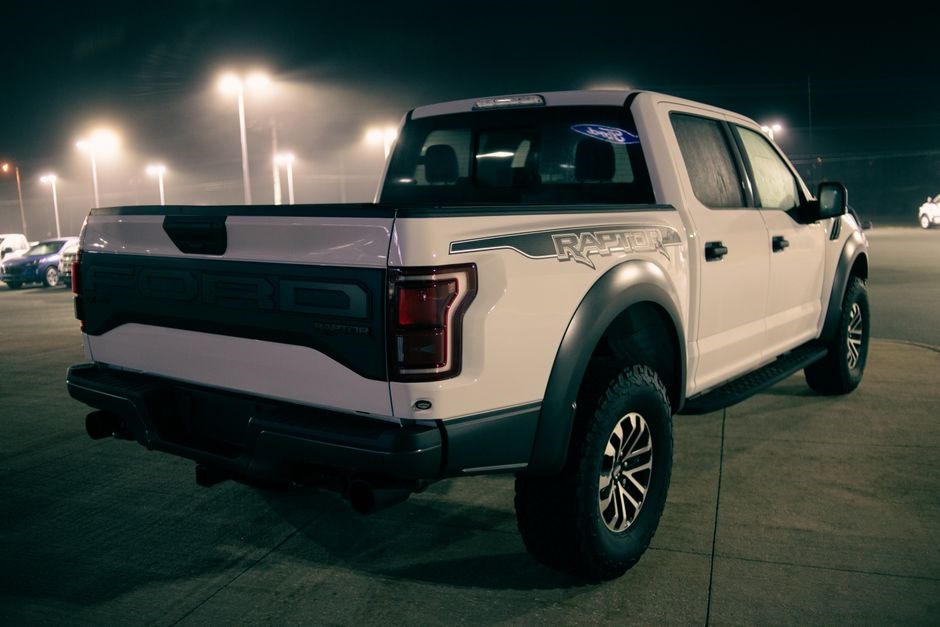
Discover the 2018 Ford F‑150 maintenance schedule PDF, detailing oil changes, fluid checks, and tire care. Download official Ford service guides or trusted third‑party repositories to keep your SuperCrew running smoothly. Follow the recommended intervals for longevity and safety. Keep your truck in top shape.
Importance of a Maintenance Schedule
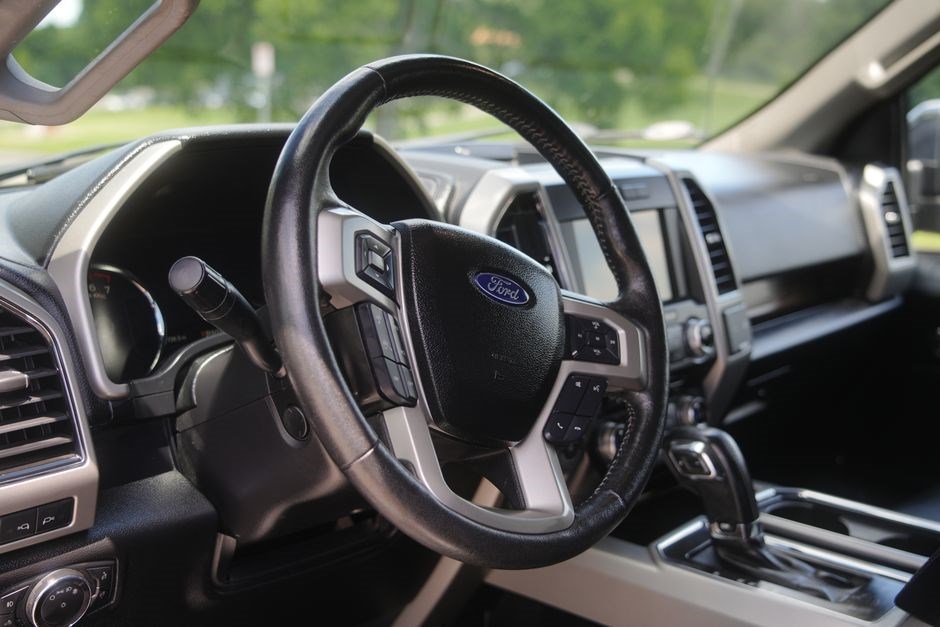
Adhering to a structured maintenance schedule for your 2018 Ford F‑150 is essential for preserving engine performance, ensuring safety, and maximizing resale value. The official Ford F‑150 service manual, available as a PDF download, outlines specific intervals for oil changes, filter replacements, transmission fluid checks, coolant flushes, and tire rotations. By following these guidelines, you reduce the risk of costly repairs caused by neglected fluid levels or worn components. Regular inspections of brakes, suspension, and electrical systems also catch early signs of wear, preventing accidents and extending the lifespan of critical parts. Moreover, a documented maintenance history demonstrates responsible ownership to potential buyers, often translating into higher trade‑in offers. Ford’s recommended intervals are calibrated to the vehicle’s operating conditions, such as heavy towing or off‑road use, ensuring that each component receives the attention it requires. Ignoring the schedule can lead to engine damage, decreased fuel efficiency, and increased emissions, all of which compromise the truck’s reliability and environmental compliance. Therefore, keeping a meticulous service log and adhering to the PDF schedule not only protects your investment but also supports the F‑150’s reputation for durability and dependability. In addition, a well‑maintained F‑150 benefits from smoother shifting, better traction control, and reduced wear on drivetrain components. The Ford F‑150’s advanced engine management system relies on accurate sensor data, which is only possible when fluids are clean and at proper levels. Owners who consistently follow the PDF schedule often report fewer roadside breakdowns and lower insurance premiums due to a lower risk profile. By sticking to the PDF schedule, you also help maintain the vehicle’s fuel economy, as clean filters and proper fluid levels improve combustion efficiency, saving money at the pump. Additionally, many aftermarket diagnostic tools can read the service history from the vehicle’s computer, allowing technicians to verify that each interval has been met, which can expedite warranty claims and service appointments.

Official Service Manual Availability
Ford offers the 2018 F‑150 maintenance schedule PDF through its official website and authorized dealers. Download the PDF from Ford.com or request a copy at a dealership. Third‑party libraries also host the manual for easy access. Available via Ford’s portal
PDF Download Links from Ford & Dealerships
To obtain the official 2018 Ford F‑150 maintenance schedule PDF, begin by visiting the Ford Service Center portal at www.ford.com/service. After logging in with your Ford ID, navigate to the “Owner’s Manual” section and select the 2018 F‑150 model. The PDF will appear in the download list; click the link to save it locally. If you lack a Ford ID, you can request a temporary access code by contacting your nearest Ford dealership’s service department. Many dealerships host the PDF on their intranet; simply ask a service advisor for the “Maintenance Schedule” file and they will email the link or provide a USB copy. Additionally, Ford’s official mobile app, FordPass, offers a “Manuals” tab where the 2018 F‑150 schedule can be viewed and downloaded directly to your phone. For those who prefer a hard copy, dealerships can print the PDF on demand. Always verify that the PDF version matches the 2018 model year and SuperCrew configuration to ensure accurate maintenance intervals. If you encounter any issues, reach out to Ford Customer Support for assistance. The PDF includes oil change intervals, fluid top‑off schedules, tire rotation guidelines, and brake inspection checklists, making it an essential resource for maintaining your truck’s reliability and performance. Owners can also download the PDF via the FordPass mobile app, which syncs maintenance data and sends reminders for upcoming services, ensuring drivers stay on schedule and avoid costly repairs.!!!??
Third-Party Service Manual Repositories
For owners who prefer alternative sources, several reputable third‑party repositories host the 2018 Ford F‑150 maintenance schedule PDF. The most widely used sites include FordServiceManuals.com, Automotive‑Repair.com, and ManualsLib.com. Each platform offers a searchable database where you can filter by year, make, and model. Once the 2018 F‑150 SuperCrew is selected, the PDF appears in the results; clicking the download button initiates a direct transfer. These sites typically provide the same PDF that Ford publishes, ensuring consistency with official service intervals. Users should verify that the file is labeled “2018 Ford F‑150 Maintenance Schedule” and that the page range matches the official manual. In addition, community forums such as FordForum.com often share direct links or host the PDF in a dedicated thread for quick reference. When downloading from third‑party sites, it is prudent to scan the file with antivirus software, as some repositories host multiple versions and may inadvertently host corrupted or malicious files. Always cross‑check the downloaded PDF against the official Ford version to confirm that the maintenance intervals, oil change mileage, and oil change fuel service. By leveraging these third‑party repositories, owners can quickly obtain the 2018 F‑150 maintenance schedule without waiting for dealership processing or an email from Ford. This approach is especially useful for fleet operators or independent mechanics who need immediate access to the schedule for multiple vehicles.

Key Maintenance Intervals
Follow the 2018 Ford F‑150 maintenance schedule PDF for key intervals: oil every 5,000 miles, transmission fluid every 30,000, coolant every 60,000, brakes inspected every 12,000, tires rotated every 10,000. Adhering to these keeps performance optimal. Regular checks extend engine life and reduce repairs!
Oil and Filter Changes
According to the 2018 Ford F‑150 maintenance schedule PDF, the recommended oil change interval is 5,000 miles or 6 months, whichever comes first, when operating under normal driving conditions. For heavy‑duty or towing scenarios, extend the interval to 10,000 miles. The manual specifies using 5W‑30 API‑SN synthetic blend, depending on climate and. Replace the oil filter with a Ford‑approved filter (model number 30‑111‑122) to maintain proper filtration. Prior to the change, drain the engine oil through the drain plug located beneath the oil pan, ensuring the pan is placed on a clean surface to avoid spillage. After draining, reinstall the drain plug with a torque of 14 ft‑lb. Then, remove the old filter, apply a thin coat of oil to the rubber seal of the new filter, and screw it on by hand until the seal contacts the mounting surface, followed by an additional ¾ turn. Fill the engine with the recommended oil quantity, typically 5.9 quarts for the 3.5L V6 and 6.0 quarts for the 5.0L V8. Check the dipstick for proper level and top up if necessary. Finally, reset the oil‑change indicator via the vehicle’s infotainment system or by following the procedure outlined in the service manual. Adhering to this schedule improves engine longevity, reduces wear, and maintains warranty coverage!! Regular oil‑filter maintenance protects the engine, keeps the 2018 F‑150 warranty intact, follows Ford’s official manual torque specs and oil brand recommendations for optimal performance. Use the PDF for oil type and filter part numbers.
Transmission Fluid & Filter
According to the 2018 Ford F‑150 maintenance schedule PDF, the automatic transmission fluid and filter should be replaced every 10,000 miles or 12 months, whichever comes first, when the vehicle is used under normal driving conditions. For heavy‑duty or towing scenarios, extend the interval to 15,000 miles. The manual specifies using Ford 10W‑30 ATF‑J, which is a synthetic blend designed for the 6.7L Power Stroke and 5.0L V8 engines. To change the fluid, locate the transmission pan beneath the vehicle, place a drain pan to catch the old fluid, and remove the drain plug with a 17‑ft‑lb torque. Once the fluid has drained, replace the filter by removing the filter housing screws, cleaning the mounting surface, and installing a new Ford‑approved filter (part number 30‑112‑123). Reinstall the housing, torque the screws to 12‑15 ft‑lb, and refill the transmission with the recommended volume—typically 8.5 quarts for the 6.7L and 7.0 quarts for the 5.0L. After refilling, start the engine, shift through all gears, and check for leaks. Reset the transmission service light via the infotainment system or by following the procedure in the service manual. Adhering to this schedule keeps the transmission lubricated, prevents overheating, and maintains the vehicle’s warranty coverage. The service manual recommends checking the filter housing gasket for leaks. Torque wrench set to 12‑15 ft‑lb for the filter mounting bolts and verify no cross‑threading. After the fluid change, cycle transmission through all gears before driving.

Coolant Flush Schedule
The 2018 Ford F‑150 maintenance schedule PDF specifies a coolant flush every 30,000 miles or 36 months, whichever occurs first, under normal driving conditions. For vehicles that frequently tow or operate in extreme temperatures, extend the interval to 45,000 miles. The recommended coolant is Ford 5W‑30 Antifreeze/Coolant (G‑40) or a compatible 50/50 blend of ethylene glycol and distilled water. Follow these steps for a proper flush:
- Park the vehicle on level ground, engage the parking brake, and check pads.now
- Place a drain pan beneath the radiator drain plug, remove the plug, and allow the old coolant to drain completely.now
- Reinstall the drain plug and close the radiator cap. Fill the radiator with the recommended coolant until the reservoir reaches the “MAX” line.
- Start the engine, let it reach operating temperature, and run for 10 minutes to circulate the new coolant.
- Turn off the engine, open the radiator cap, and check for leaks. If any are found, tighten the plug or replace the gasket.
- Repeat the drain and refill process to ensure all old coolant is removed.
- After the final refill, purge the cooling system by running the engine with the heater on high and the fan off until the coolant temperature stabilizes
Always dispose of old coolant responsibly by taking it to a certified recycling center. Adhering to this schedule prevents overheating, protects the head gasket, and maintains the engine’s efficiency now!
Brake System Inspection
According to the 2018 Ford F‑150 maintenance schedule PDF, a full brake inspection is required every 12,000 miles or 12 months, whichever comes first. This inspection covers the front and rear disc rotors, pads, calipers, ABS modules, and brake lines. Inspect pad thickness; replace pads if less than 3 mm. Check rotor surface for scoring or warping; replace if depth is below the manufacturer’s minimum; Verify ABS fluid level and top off with Ford 5W‑30 Antifreeze/Coolant (G‑40) if needed. Inspect brake lines for leaks, corrosion, or bulging; replace any compromised lines. Test the parking brake for proper engagement and adjust if necessary. After inspection, perform a brake fluid flush if the fluid appears dark or contaminated. Use a 50/50 mix of ethylene glycol and distilled water for the flush, and discard old fluid at a certified recycling facility. Follow these steps to maintain optimal braking performance and safety.
Additionally, a brake system inspection should include a thorough evaluation of the brake master cylinder for any signs of internal leakage or wear. Inspect the brake fluid reservoir for contamination and ensure the fluid level remains within the recommended range. Perform a brake line pressure test to detect any potential leaks or corrosion that could compromise braking performance. Finally, verify that the brake pads and rotors meet the manufacturer’s specifications for thickness and wear patterns, and replace any components that fall below the acceptable limits. By maintaining these detailed checks, you can extend the life of your braking system and ensure reliable stopping power under all driving conditions. This ensures safety trust.
Tire Rotation and Alignment

According to the 2018 Ford F‑150 maintenance schedule PDF, tire rotation is recommended every 7,500 mi or 12 months, whichever comes first. The rotation pattern for the SuperCrew Cab is front‑to‑rear, front‑to‑rear, with a 45‑degree cross‑rotation for the rear set. This helps equalize tread wear and extends tire life. After each rotation, inspect all tires for sidewall damage, punctures, and tread depth. Replace any tire that shows uneven wear or damage.
Alignment checks are scheduled for every 12,000 mi or 12 months. Use a calibrated alignment machine to measure camber, caster, and toe angles. Adjust to the manufacturer’s specifications: camber ±0.5°, caster 2.5°–3.5°, toe 0.1°–0.3°. Verify wheel bearings for play and replace if necessary. Check the tire balance and wheel weights; rebalance if the vehicle shows vibration or uneven wear. After alignment, retest the vehicle at low speed to confirm smooth handling. Maintaining proper rotation and alignment reduces tire wear, improves fuel economy, and ensures safe handling, especially on rough terrain or during heavy towing.
After alignment, perform a low‑speed test drive to confirm that the vehicle tracks straight and that there is no excessive steering wheel vibration. If the steering wheel shows a wobble or the vehicle pulls to one side, re‑check the alignment angles and adjust until the vehicle drives straight. Document all alignment data in the service log; this record helps future technicians verify that the vehicle remains within spec and assists in warranty claims if needed. Finally, keep the tire pressure at the manufacturer’s recommended 35 psi for all four wheels.
Keep tire pressure at 35 psi for wheels daily.
Optional Service Items
Optional service items for the 2018 Ford F‑150 include battery health checks, cabin air filter replacement, and secondary fluid inspections. These add value by ensuring optimal performance and longevity beyond the core maintenance schedule Regular checks extend life and safety
Hybrid Battery Check (if applicable)
Although the 2018 Ford F‑150 SuperCrew is not a hybrid, owners of the 2018 F‑150 Hybrid (if available through special editions or aftermarket conversions) should perform a battery health check as part of the optional maintenance schedule. This check typically involves a diagnostic scan of the high‑voltage system, a visual inspection of the battery pack for corrosion or loose connections, and a verification of the state‑of‑charge (SOC) and temperature readings. Ford recommends using a certified diagnostic tool that can read the battery’s health index, cell balance, and any fault codes that may indicate degradation or impending failure. A routine battery check should be scheduled every 12,000 miles or 12 months, whichever comes first, to ensure the pack remains within manufacturer‑specified performance parameters. If the battery shows a drop in capacity of more than 5 % from its original rating, or if any cell imbalance exceeds 10 %, a professional service center should be consulted for a detailed evaluation or possible replacement. In addition to the diagnostic scan, owners should monitor the battery’s temperature during operation, as overheating can accelerate wear. Keeping the battery’s cooling system clean and ensuring proper airflow around the pack will help maintain optimal temperatures. Finally, always follow Ford’s safety guidelines when working around high‑voltage components, including disconnecting the high‑voltage battery disconnect switch and wearing appropriate personal protective equipment. By adhering to these steps, owners can extend the life of the hybrid battery and avoid costly downtime.