Henry 430 VCT Floor Adhesive Instructions: Article Plan
This comprehensive guide details the proper application of Henry 430 VCT adhesive, ensuring a durable and lasting floor installation.
It covers everything from initial surface preparation to final curing, backed by Henry’s lifetime guarantee and award-winning support.
Henry 430 VCT is a high-performance adhesive specifically engineered for the installation of Vinyl Composition Tile (VCT) flooring in commercial and institutional settings. Developed by Henry, a brand renowned for its commitment to quality and innovation – as exemplified by their founder Anthony Imperato’s personal satisfaction guarantee – this adhesive offers exceptional bonding strength and durability.
It’s a crucial component in creating resilient, long-lasting floors capable of withstanding heavy foot traffic and demanding environments. Henry’s dedication extends beyond product performance, offering a lifetime warranty and award-winning customer service, ensuring peace of mind for installers and building owners alike.
This adhesive isn’t just about sticking tiles down; it’s about building a foundation for spaces where people work, learn, and gather. Henry’s broader portfolio, including the SPD HUSH Series, demonstrates a commitment to forward-thinking solutions, and the 430 VCT carries that same spirit of reliability and performance. Available across the US, from Alabama to New York, Henry products are “Made in America, Or Not Made At All.”
Understanding VCT Flooring
Vinyl Composition Tile (VCT) flooring is a popular choice for high-traffic commercial spaces due to its durability, affordability, and design versatility. Composed of a blend of vinyl polymers, fillers, and pigments, VCT offers a resilient surface capable of withstanding significant wear and tear. It’s commonly found in schools, hospitals, retail stores, and offices, where longevity and ease of maintenance are paramount.
VCT’s layered construction contributes to its strength and stability. Proper installation, however, is critical to maximizing its lifespan and performance. This is where a high-quality adhesive like Henry 430 VCT becomes essential. A strong, reliable bond ensures the tiles remain securely fastened, preventing lifting, cracking, and other issues that can compromise the floor’s integrity.

Henry, a brand committed to “Made in America” quality, understands the demands placed on commercial flooring. Their products, backed by a lifetime warranty and Anthony Imperato’s guarantee, are designed to meet those challenges. Choosing the right adhesive, like Henry 430, is the first step towards a successful and long-lasting VCT floor installation.
Henry 430 VCT Adhesive: Key Features
Henry 430 VCT Adhesive is specifically engineered for the installation of vinyl composition tile, offering a robust and dependable bond. This adhesive boasts exceptional initial tack, ensuring immediate grab and preventing tile slippage during installation – a crucial feature for large-format projects. It’s formulated to provide a strong, permanent bond that resists cracking, peeling, and moisture damage, contributing to a long-lasting floor.
A key benefit of Henry 430 is its versatility. It’s suitable for use with a variety of VCT tile thicknesses and can be applied to various subfloor conditions, provided they meet the necessary requirements (detailed later). The adhesive’s low VOC content contributes to a healthier indoor environment, aligning with green building standards.
Backed by Henry’s commitment to quality – and Anthony Imperato’s personal guarantee – this adhesive delivers consistent performance and reliability. It’s a testament to Henry’s dedication to providing professional-grade products for demanding applications, ensuring customer satisfaction and a lifetime of durable flooring.
Surface Preparation: A Critical First Step
Proper surface preparation is paramount for a successful Henry 430 VCT installation. The subfloor must be structurally sound, clean, dry, and free of any contaminants that could impede adhesion. Begin by thoroughly removing all traces of old flooring, adhesives, paint, wax, grease, oil, and dust. Mechanical abrasion, such as shot blasting or grinding, may be necessary to achieve a suitable profile.
Any cracks or imperfections in the subfloor should be filled with a suitable patching compound, ensuring it’s fully cured and leveled before proceeding. The surface must be planar; deviations exceeding 3/16″ over 10 feet can compromise the bond. Vacuuming is essential to remove any remaining debris after patching and grinding.
Remember, Henry’s guarantee relies on adherence to proper installation procedures, and surface preparation is the foundation. A poorly prepared surface will inevitably lead to adhesive failure and flooring issues, negating the benefits of a high-quality adhesive like Henry 430. Invest time in this crucial step for lasting results.

Substrate Requirements for Henry 430 VCT
Henry 430 VCT adhesive is designed for use on a variety of common subfloor substrates, but specific requirements must be met to ensure optimal performance. Acceptable substrates include well-floated concrete, plywood, and cement underlayments. Concrete must be fully cured – typically at least 28 days – and free from excessive moisture, as detailed in the moisture testing section.
Plywood subfloors should be a minimum of 5/8″ thick and meet industry standards for structural integrity. They must be securely fastened to the joists with appropriate screws or nails. Cement underlayments need to be fully cured, properly hardened, and free of laitance. Any existing coatings on the substrate must be compatible with the adhesive or completely removed.
The substrate’s porosity also plays a role; highly porous surfaces may require priming to prevent rapid adhesive absorption. Always consult Henry’s technical data sheet for a comprehensive list of approved substrates and specific preparation guidelines. Failure to meet these requirements can void the product warranty and compromise the installation’s longevity.
Moisture Testing: Ensuring a Solid Bond
Moisture is the enemy of a successful VCT installation when using Henry 430. Thorough moisture testing of the substrate is absolutely critical before beginning any adhesive application. Excess moisture can lead to adhesive failure, bubbling, and ultimately, floor delamination. Concrete slabs require testing using either the calcium chloride test or the relative humidity (RH) probe test.
The calcium chloride test measures the amount of moisture vapor emitted from the concrete over a 72-hour period. Results should be below 3 lbs per 1000 square feet per 24 hours. The RH probe test measures the humidity within the concrete itself; readings should not exceed 3% for concrete slabs.
For plywood subfloors, moisture content should be checked using a wood moisture meter, ensuring it’s within the manufacturer’s recommended range (typically 6-12%). Document all test results, as they may be required for warranty claims. Ignoring moisture testing can invalidate the Henry product guarantee and lead to costly repairs.
Tools and Materials Needed
Successful Henry 430 VCT installation requires gathering specific tools and materials. Begin with the adhesive itself, Henry 430 VCT Floor Adhesive, ensuring you have enough to cover the planned area, accounting for spread rate. Essential tools include a notched trowel – the notch size will depend on the VCT tile size and manufacturer’s recommendations.
You’ll also need a mixing bucket, a drill with a mixing paddle for thorough adhesive blending, and a measuring container for accurate proportions. A utility knife with extra blades is crucial for precise tile trimming. Safety equipment is paramount: wear safety glasses, gloves, and a dust mask.
Other helpful items include a tape measure, chalk line for layout, a rubber mallet for gently seating tiles, and a floor roller (typically 100lb) to ensure full adhesive contact. Cleaning supplies like a damp mop and appropriate cleaner are needed for surface preparation. Finally, have a supply of VCT tiles readily available and organized for efficient installation.
Mixing the Henry 430 VCT Adhesive
Proper mixing is critical for Henry 430 VCT adhesive performance. Always refer to the product’s data sheet for precise mixing ratios, as variations can affect bond strength and curing time. Generally, the adhesive is a pre-mixed formulation, minimizing on-site preparation, but thorough stirring is still essential.
Pour the required amount of adhesive into a clean, dry mixing bucket. Using a drill equipped with an appropriate mixing paddle, blend the adhesive for the recommended duration – typically 2-3 minutes – ensuring a uniform consistency. Avoid introducing air into the mixture during the mixing process, as this can create voids and weaken the bond.
Scrape the sides and bottom of the bucket frequently to incorporate any settled material. Inspect the mixed adhesive for lumps or inconsistencies; if present, continue mixing until a smooth, creamy texture is achieved. Do not add any solvents or other materials to the adhesive, as this will compromise its properties.

Applying the Adhesive: Techniques and Tips
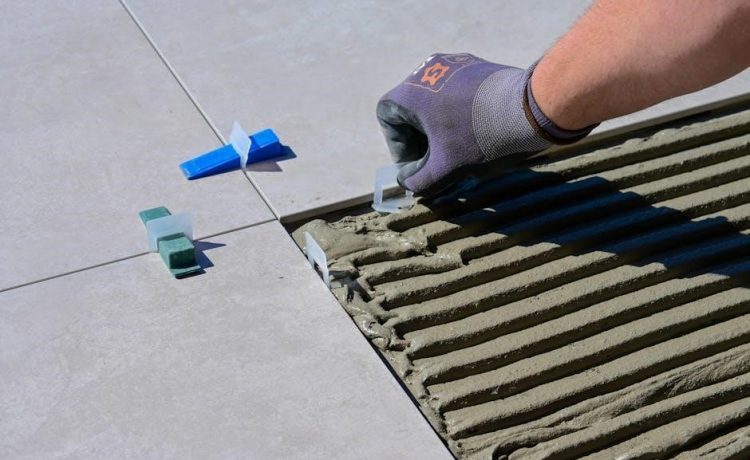
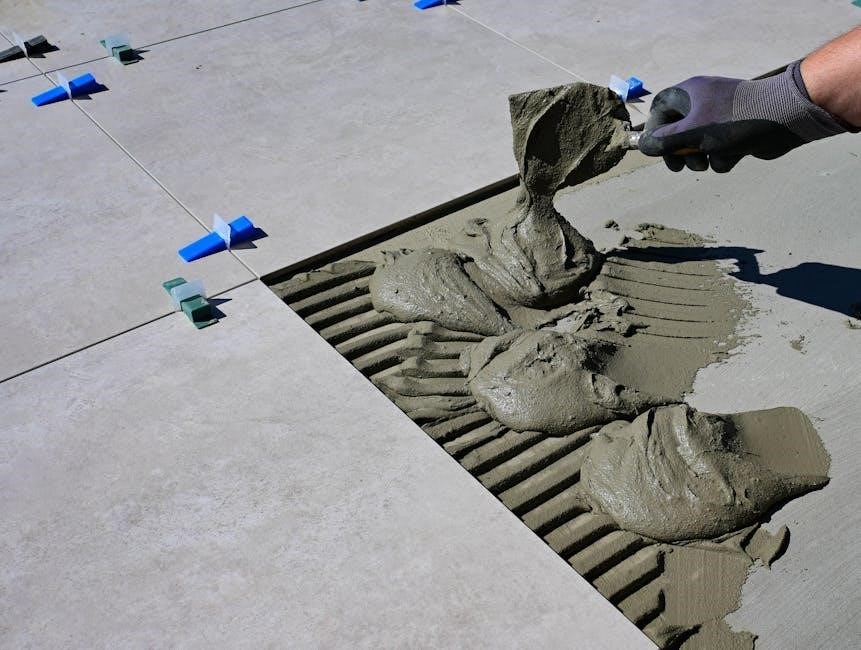
Consistent adhesive application is paramount for successful VCT installation. Utilize a notched trowel of the size recommended by Henry – typically a V-notch – to achieve the correct spread rate and ensure adequate coverage. Hold the trowel at a 45-degree angle and apply even pressure for uniform ridges.
Work in manageable sections, applying adhesive to an area that can be covered with tiles within the adhesive’s open time. Avoid walking on the freshly applied adhesive. If overlap is necessary, maintain a wet edge to prevent visible lines. For perimeter areas or irregular shapes, use a smaller trowel or brush for precise application.
Immediately after applying the adhesive, proceed with tile placement. Do not allow the adhesive to skin over before setting the tiles. Regularly inspect the adhesive bed to ensure complete coverage and proper trowel notch visibility. Correct any deficiencies promptly for a secure and lasting bond.
Spread Rate Guidelines
Achieving the correct spread rate with Henry 430 VCT adhesive is crucial for optimal performance and a long-lasting floor. The recommended spread rate is dependent on the specific VCT tile and substrate conditions, but generally falls within a range of 20 to 30 square feet per gallon.
Utilize a notched trowel to control the adhesive’s thickness. A V-notch trowel with notch sizes ranging from 1/8 inch to 3/16 inch is typically recommended. Always consult the Henry 430 VCT product data sheet for the most accurate spread rate based on your specific project requirements.
Proper trowel selection ensures sufficient adhesive transfer to the tile backing, promoting a strong bond. Insufficient adhesive can lead to tile loosening, while excessive adhesive may cause bubbling or slippage. Regularly check coverage to maintain consistency throughout the installation process. Accurate spread rates contribute significantly to a durable and aesthetically pleasing VCT floor.
VCT Tile Installation Over Adhesive
Once the Henry 430 VCT adhesive has been properly applied and reaches the appropriate open time, carefully begin laying the VCT tiles. Ensure each tile is accurately positioned according to your desired layout, maintaining consistent spacing between tiles for grout lines. Avoid sliding the tiles excessively across the adhesive, as this can disrupt the bond and create voids.
Press each tile firmly into the adhesive bed, applying even pressure across the entire surface. Use a rubber mallet or hand roller to ensure full contact and eliminate any air pockets. Work in manageable sections, allowing for adjustments before the adhesive begins to skin over;
Stagger the tile joints to enhance the floor’s structural integrity and visual appeal. Regularly check for alignment and levelness during installation. Proper tile placement is vital for a professional-looking and durable VCT floor, maximizing the benefits of the Henry 430 adhesive’s strong bonding properties.
Rolling the VCT Tiles
After the VCT tiles are initially laid, employing a floor roller is crucial for establishing a robust and uniform bond with the Henry 430 adhesive. Utilize a weighted floor roller – typically between 75 and 100 pounds – to systematically roll across the entire installed area. This process eliminates air pockets trapped beneath the tiles and ensures complete adhesive contact.
Begin rolling slowly, overlapping each pass by approximately 50% to guarantee full coverage. Pay particular attention to the tile edges and corners, where air pockets are most likely to form. Multiple passes in different directions (lengthwise and crosswise) are recommended for optimal compaction.
The rolling process not only enhances adhesion but also helps to level any minor inconsistencies in the tile surfaces. Consistent pressure application is key; avoid excessive force that could damage the tiles or squeeze out too much adhesive. A properly rolled VCT floor will exhibit superior durability and longevity, fully leveraging the adhesive’s capabilities.
Working Time and Open Time
Understanding the working time and open time of Henry 430 VCT adhesive is paramount for a successful installation. Working time refers to the period after mixing during which the adhesive remains workable and can be effectively spread and tiles positioned. Typically, Henry 430 offers approximately 20-30 minutes of working time, though this can be influenced by temperature and humidity – warmer conditions accelerate the process.
Open time, conversely, denotes the duration the adhesive remains tacky enough to bond with the VCT tile after being spread. Henry 430 generally provides an open time of around 15-20 minutes. It’s vital to install tiles within this window to achieve optimal adhesion.
Exceeding either the working or open time can compromise the bond strength. If the adhesive begins to skin over or lose its tackiness, it should not be used. Always mix only the amount of adhesive that can be applied within the specified working time, ensuring a consistently strong and durable VCT floor installation.
Curing Time and Full Strength
Achieving the full bonding strength of Henry 430 VCT adhesive requires adequate curing time. While the adhesive develops initial strength relatively quickly, allowing for light foot traffic within 24-48 hours, it takes considerably longer to reach its maximum bond capacity. Full cure, and therefore full strength, is typically achieved within 72 hours to 7 days, depending on environmental factors like temperature and humidity.
During the curing process, avoid heavy loading or activities that could stress the newly installed VCT tiles. Maintaining a consistent temperature and avoiding excessive moisture exposure will optimize the curing process. Henry guarantees a lifetime warranty, contingent upon proper application and adherence to recommended curing times.
Understanding that full strength isn’t immediate is crucial for preventing premature wear and tear. Allow sufficient time for the adhesive to fully polymerize, ensuring a long-lasting, durable, and reliable VCT flooring installation backed by Henry’s commitment to quality and customer satisfaction.

Post-Installation Considerations
Following VCT tile installation with Henry 430, several post-installation considerations are vital for longevity. Allow the adhesive to fully cure – typically 72 hours to 7 days – before subjecting the floor to heavy traffic or furniture placement. Avoid dragging heavy objects across the surface, as this can compromise the bond.
Regular maintenance, including sweeping and damp mopping with a pH-neutral cleaner, will preserve the floor’s appearance and integrity. Henry’s guarantee supports product performance when proper care is maintained. Protect the floor from standing water and extreme temperature fluctuations, which can negatively impact the adhesive bond.
Inspect the installation periodically for any signs of lifting or separation. Address any issues promptly to prevent further damage. Remember, Henry’s award-winning customer service is available to assist with any concerns. Proper post-installation care ensures a beautiful, durable VCT floor for years to come, backed by Henry’s commitment to quality and satisfaction.

Cleaning and Maintenance of VCT Floors
Maintaining the beauty and durability of your VCT floor installed with Henry 430 adhesive requires a consistent cleaning routine. Regular sweeping or vacuuming removes dirt and debris that can scratch the surface. Damp mopping with a pH-neutral cleaner is recommended; avoid abrasive cleaners or scouring pads, as these can damage the VCT tiles and potentially affect the adhesive bond.
For tougher stains, consult VCT-specific cleaning guides. Avoid excessive water, as it can seep into the seams and compromise the adhesive. Periodic application of a VCT floor finish can provide an extra layer of protection and enhance the floor’s shine. Henry’s commitment to quality extends to supporting proper floor care.
Remember, consistent maintenance not only preserves the appearance of your floor but also helps to uphold the integrity of the Henry 430 adhesive bond, ensuring a long-lasting and beautiful result. Utilize Henry’s resources for optimal cleaning solutions and maintain your floor’s warranty.
Troubleshooting Common Issues
Despite careful application, occasional issues may arise during or after VCT installation with Henry 430. If tiles lift, ensure proper substrate preparation and moisture testing were completed. Insufficient adhesive coverage or improper rolling can also contribute to lifting; re-adhere using fresh adhesive and re-roll. Bubbling under tiles often indicates trapped moisture or air – address the moisture source and consider a pinhole release technique.
Adhesive failure can occur with inadequate surface preparation or incompatible substrates. Verify the substrate meets Henry’s requirements. If adhesive remains tacky for an extended period, it may indicate insufficient ventilation or incorrect mixing ratios. Always follow mixing instructions precisely.
Henry’s customer support is available to assist with complex issues. Document the problem with photos and details for efficient troubleshooting. Remember, Henry’s guarantee supports quality and provides solutions for unexpected challenges, ensuring a successful VCT flooring project.
Adhesive Removal (If Necessary)
Removing Henry 430 VCT adhesive can be challenging due to its strong bonding properties, but is sometimes necessary for repairs or complete floor replacement. Mechanical methods are generally most effective; utilizing a floor scraper with a sharp blade can lift the VCT tiles and much of the adhesive residue. For stubborn remnants, consider a low-speed floor buffer equipped with a stripping pad.
Chemical strippers specifically designed for adhesive removal can aid the process, but always test in an inconspicuous area first to ensure compatibility with the substrate and avoid damage. Follow the stripper manufacturer’s safety guidelines meticulously, including proper ventilation and personal protective equipment.
After stripping, thoroughly clean the subfloor to remove all traces of adhesive and stripper residue. A residue-free surface is crucial for successful re-installation. Henry offers specialized cleaners to prepare the subfloor, ensuring optimal adhesion for the new flooring material. Always consult safety data sheets (SDS) before using any chemical products.
Safety Precautions When Using Henry 430 VCT
Handling Henry 430 VCT adhesive requires strict adherence to safety guidelines to protect yourself and others. Always wear appropriate personal protective equipment (PPE), including safety glasses with side shields, chemical-resistant gloves, and a respirator if ventilation is inadequate. Avoid skin and eye contact; if contact occurs, flush immediately with copious amounts of water and seek medical attention.
Ensure adequate ventilation in the work area. Open windows and doors, or use mechanical ventilation to prevent the buildup of adhesive fumes. Keep the adhesive away from heat, sparks, and open flames, as it is combustible. Store the adhesive in a cool, dry place, tightly sealed, and out of reach of children.
Review the Safety Data Sheet (SDS) thoroughly before use to understand potential hazards and first aid measures. Dispose of empty containers and unused adhesive according to local regulations. Henry prioritizes user safety, and following these precautions will contribute to a safe and successful installation.
Warranty Information and Henry Guarantee
Henry offers a robust warranty and a personal guarantee, reflecting their commitment to product quality and customer satisfaction. Founder and CEO, Anthony Imperato, extends a lifetime warranty for the life of the product, ensuring long-term performance and peace of mind. This guarantee underscores Henry’s confidence in the durability and reliability of Henry 430 VCT adhesive.
The warranty covers defects in materials and workmanship under normal use. It does not cover damage resulting from improper application, inadequate surface preparation, or failure to follow published instructions. To validate a warranty claim, retain proof of purchase and document the installation process.
Henry’s award-winning customer service team is dedicated to resolving any concerns and ensuring 100% satisfaction. They are empowered to address issues promptly and effectively. This commitment, combined with the lifetime warranty, demonstrates Henry’s dedication to providing superior products and unparalleled support to its customers.
Henry Product Support and Contact Information
Henry prioritizes customer support, offering multiple avenues for assistance regarding Henry 430 VCT adhesive and other products. Their award-winning customer service team is readily available to address questions, provide technical guidance, and resolve any concerns you may encounter during or after installation.
For immediate assistance, you can contact Henry through their official website, which features a comprehensive FAQ section and a dedicated contact form. Phone support is also available during business hours, allowing for direct communication with knowledgeable representatives. If you’re having trouble locating a Henry product in your area, their support team can help identify nearby dealers.
Furthermore, Henry encourages customers to request a free catalog, providing detailed product information and a list of authorized retailers. This catalog serves as a valuable resource for exploring the full range of Henry offerings. Henry’s commitment extends beyond the sale, ensuring ongoing support throughout the product lifecycle.
Availability and Where to Purchase
Henry 430 VCT floor adhesive is widely available across the United States, ensuring convenient access for both professional installers and DIY enthusiasts. You can find this product at numerous retail locations specializing in flooring supplies, home improvement, and building materials.
Major home improvement chains, such as those found in states ranging from Alabama to New York, typically stock Henry 430. Local flooring distributors and independent hardware stores are also excellent sources; For specific locations, Henry recommends utilizing their dealer locator tool on the official website, which provides a comprehensive list of authorized retailers in your area.
Additionally, select retailers like Four Seasons in Woburn, Massachusetts, offer Henry products with confidence, backed by a 100% satisfaction guarantee. Online purchasing options are also available through various e-commerce platforms, providing added convenience. Always verify the authenticity and source of the product when purchasing online to ensure quality and warranty coverage.
Henry 430 VCT vs. Alternative Adhesives
When selecting an adhesive for VCT flooring, several options exist, but Henry 430 distinguishes itself through its specialized formulation and performance characteristics. Compared to general-purpose adhesives, Henry 430 is specifically engineered to provide a robust and lasting bond with VCT tiles, resisting common issues like tile loosening or adhesive failure.
Alternatives may include acrylic-based adhesives, which can offer lower initial tack and potentially require longer curing times. Epoxy-based adhesives provide strong bonds but can be more rigid and less forgiving with minor substrate imperfections. Henry 430 strikes a balance, offering excellent initial grab, flexibility, and long-term durability.
Furthermore, Henry products benefit from the company’s commitment to quality, backed by a lifetime warranty and dedicated customer support. This assurance sets it apart from lesser-known brands. Choosing Henry 430 ensures a professional-grade installation, minimizing the risk of costly repairs or replacements down the line, ultimately providing superior value.

Regional Availability (US States)
Henry 430 VCT adhesive enjoys widespread availability across the United States, ensuring accessibility for flooring professionals and DIY enthusiasts alike. The product is readily stocked in major home improvement retailers, including distribution networks spanning from coast to coast. Specifically, Henry products are available in Alabama, Alaska, Arizona, Arkansas, California, Colorado, Connecticut, Delaware, Florida, and Georgia.
Further extending its reach, Henry 430 can be found in Hawaii, Idaho, Illinois, Indiana, Iowa, Kansas, Kentucky, Louisiana, Maine, Maryland, Massachusetts, Michigan, Minnesota, Mississippi, Missouri, Montana, Nebraska, Nevada, New Hampshire, and New Jersey.
Coverage continues through New Mexico, New York, North Carolina, North Dakota, Ohio, Oklahoma, Oregon, and Pennsylvania. Dedicated Henry dealers and specialized flooring supply stores also carry the adhesive, providing localized support and expertise. For precise store locations and online purchasing options, consult the official Henry website or utilize their dealer locator tool, guaranteeing convenient access nationwide.