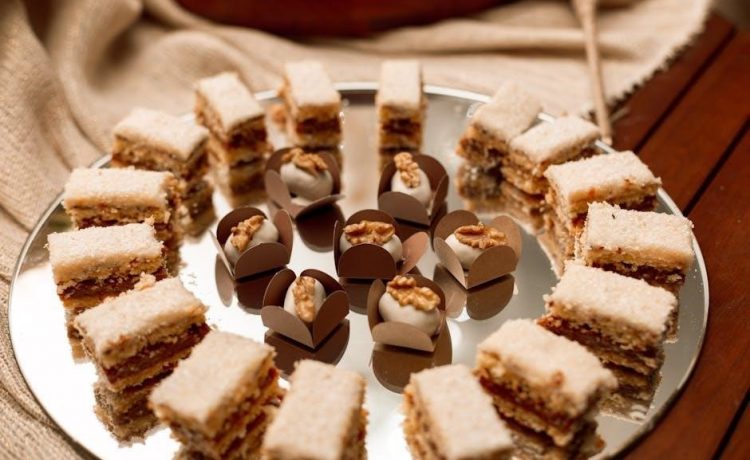
Understanding accurate cake serving sizes is crucial for any event. This section explores the fundamental principles behind portioning your baked goods, ensuring every guest enjoys a perfectly sized slice.
Why Accurate Serving Sizes Matter
Achieving precise cake serving sizes is truly paramount for numerous reasons, significantly impacting both the host and guests at any gathering. Firstly, it prevents the embarrassing situation of running out of dessert, ensuring every attendee receives a delightful slice. Conversely, accurate planning minimizes excessive leftovers, reducing food waste and unnecessary expense. For professional bakers, correct portioning directly translates to consistent product quality and customer satisfaction, building trust and repeat business. Event planners rely on these calculations to budget effectively, manage inventory, and maintain a seamless schedule. Furthermore, it ensures fairness among guests, as everyone receives a comparable portion, avoiding any perceived inequities. Ultimately, mastering serving sizes contributes to a stress-free celebration, allowing hosts to focus on enjoying their event rather than worrying about dessert logistics. This meticulous approach greatly enhances the overall guest experience, leaving a lasting and positive impression long after the last crumb is savored.
Factors Influencing Serving Count
Several key factors determine the ultimate number of servings a cake can yield. Firstly, the specific occasion plays a significant role; a wedding cake typically demands smaller, more elegant portions than a casual birthday cake. The density and richness of the cake itself also influence serving size; a very rich, dense chocolate fudge cake might warrant smaller slices compared to a lighter sponge. Furthermore, the overall menu of the event is crucial. If the cake is one of many desserts, portions will naturally be smaller. Conversely, if it’s the sole sweet offering, guests might expect a more generous slice. The skill and method of the person cutting the cake are equally vital, as efficient cutting techniques can maximize yield. Finally, the age and expected appetite of the guests must be considered, with children generally receiving smaller pieces. These considerations collectively guide accurate portioning for any celebration.

Standard Cake Shapes and Dimensions
This section explores common cake shapes and their standard dimensions. Understanding these physical attributes is key to accurately estimating the potential serving counts from your baked creations.
Round Cakes: Diameter and Servings
Round cakes are a classic choice, and their serving capacity is primarily determined by their diameter. A larger diameter directly translates to a greater surface area, allowing for more slices. However, the definition of a ‘serving’ can vary significantly; a standard party slice is typically wider and more generous than a smaller, more elegant wedding slice. This crucial distinction profoundly impacts the total number of portions a single cake can yield. The height of the cake, or the number of layers, also plays a significant role, as taller cakes can be cut into smaller, yet still substantial, portions. Consistent cutting technique is paramount to maximize servings and ensure uniformity for all guests. Bakers often employ specific cutting grids or mental divisions to achieve optimal results, preventing waste and ensuring fairness. Understanding the intricate relationship between a round cake’s diameter and the intended slice size is fundamental for accurate event planning. This knowledge helps to avoid both a shortage of dessert and excessive leftovers, ensuring everyone enjoys their treat.
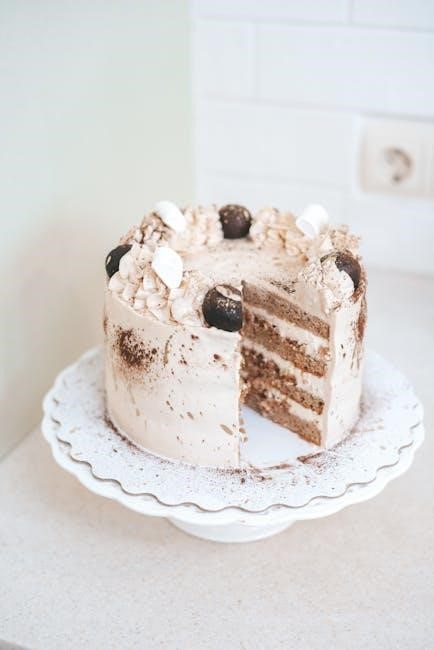
6-inch Round Cake
A 6-inch round cake is often considered a personal or small-group dessert, perfect for intimate celebrations. Typically, this size yields about 6 to 8 party servings. However, for more generous or dessert-style portions, it might serve closer to 4 people comfortably. Its compact diameter makes it an excellent choice for a romantic dinner, a small family gathering, or even as a delightful smash cake for a baby’s first birthday. When cutting, imagine dividing the cake into quarters first, then slicing each quarter into two or three smaller wedges, depending on the desired portion size. This smaller format also means it cooks more evenly and is easier to decorate intricate designs on. While not designed for large crowds, its charm lies in its ability to create a special moment for a select few. Always consider the occasion and the appetite of your guests when determining the exact number of slices. A careful cut can maximize its potential.
8-inch Round Cake
An 8-inch round cake stands as a remarkably popular choice for many celebrations, offering a versatile serving capacity. This standard size typically provides between 10 to 12 standard party servings, making it ideal for a modest birthday party, a family dinner, or a small office gathering. For those who prefer more substantial dessert portions, it might comfortably serve 8 people. To maximize its servings, a common cutting method involves slicing a central circle, then carefully cutting wedges from the outer ring. Alternatively, you can slice straight across the diameter, then divide those halves into smaller rectangular pieces. Its moderate size strikes a perfect balance between being manageable for baking and decorating, yet generous enough to cater to a respectable number of guests. This dimension is a go-to for home bakers and professional pâtissiers alike, thanks to its widespread appeal and practical serving yield. Always consider the thickness of each slice to ensure everyone receives an adequate portion.
10-inch Round Cake
A 10-inch round cake offers a significant step up in serving capacity compared to its smaller counterparts, making it an excellent choice for medium-sized gatherings; This popular dimension is generally expected to yield between 14 to 16 standard party servings, ideal for events such as anniversary celebrations, larger family reunions, or corporate functions; When generous slices are preferred, it can still comfortably serve 12 individuals. Its increased surface area allows for more efficient cutting strategies, ensuring a greater number of uniform portions. Bakers often favor this size for its impressive presentation and ability to cater to a larger guest list without resorting to multiple smaller cakes. To maximize the yield, a common approach involves creating a concentric inner circle, then slicing wedges from both the inner and outer rings. This method helps maintain consistent slice sizes. This cake dimension bridges the gap between smaller, intimate cakes and larger, full-sheet options, providing ample dessert for a considerable group.
12-inch Round Cake
A 12-inch round cake is a substantial choice, perfectly suited for larger celebrations and events where a generous dessert is expected. This impressive diameter typically yields between 20 to 24 standard party servings, making it ideal for significant birthdays, larger wedding receptions, or grand corporate events. For those who prefer more substantial slices, it can still comfortably provide 16 to 18 portions. Its considerable size allows for advanced cutting techniques that efficiently maximize the number of uniform pieces. Bakers often appreciate the grandeur and visual impact a 12-inch round cake offers, making it a focal point of any dessert table. To achieve the optimal number of servings, one effective method involves cutting a central circle and then slicing concentric rings, followed by radial cuts. This ensures each guest receives a similarly sized, elegant slice without excessive waste. This cake size truly caters to a larger audience, ensuring everyone gets a delightful piece of the celebration.
Square Cakes: Side Length and Servings
Square cakes offer a distinct advantage for maximizing serving efficiency and achieving uniform portions. Their geometric shape lends itself to a straightforward grid-cutting method, often resulting in more consistent slices compared to round cakes. The side length of a square cake is the primary determinant of its serving capacity. As the side length increases, the total surface area grows significantly, directly impacting the number of individuals it can feed. This predictability makes square cakes a popular choice for events requiring precise portion control. Unlike round cakes, which can have less usable edge space when cut radially, square cakes minimize waste, ensuring nearly every inch is utilized. Understanding this relationship between side length and potential servings is crucial for event planning. The practicality of a square cake’s side length in dictating servings proves invaluable for hosts and bakers alike, offering a clear path to accurate portioning for any celebration.
6-inch Square Cake
A 6-inch square cake is ideally suited for intimate gatherings, typically serving 8 to 12 people comfortably. Its compact size makes it a perfect choice for small birthday parties, anniversaries, or a delightful dessert for a special family dinner. To maximize servings and ensure consistent portions, a precise grid-cutting method is highly recommended. Easily achieve this by first cutting the cake into two equal strips lengthwise, then slicing across to create uniform squares or rectangles. For smaller party slices, aiming for approximately 1.5-inch by 1.5-inch pieces yields closer to the higher end of the serving estimate. This efficient cutting technique minimizes waste and provides each guest with a neatly presented piece. Despite its modest dimensions, a 6-inch square cake offers excellent value and serves as a charming centerpiece for smaller celebrations where precision and presentation are highly valued. It perfectly caters to events with fewer guests, preventing excessive leftovers and ensuring satisfaction.
8-inch Square Cake
An 8-inch square cake is a versatile option, typically serving between 16 and 24 guests, making it ideal for medium-sized celebrations. This dimension strikes a perfect balance, offering more generous portions than smaller cakes while remaining manageable for home bakers. For optimal serving, a structured cutting approach is key. Begin by dividing the cake into three equal strips lengthwise. Then, slice across these strips to create even, rectangular pieces. For standard party portions, aim for slices around 1.5 inches by 2 inches. If you require more servings for a larger crowd, slightly smaller cuts can extend the yield without compromising guest satisfaction significantly. This size is excellent for family reunions, office parties, or significant birthday milestones where a good number of attendees are expected. Its straightforward shape also simplifies decoration and transport, ensuring your cake arrives perfectly. This cake size offers flexibility, allowing you to adapt serving sizes to your specific event needs efficiently.
10-inch Square Cake
A 10-inch square cake is a fantastic choice for larger gatherings, typically yielding 25 to 36 servings. Its substantial size makes it perfect for events like engagement parties, significant anniversaries, or larger family celebrations where a generous dessert is expected. To maximize servings efficiently, consider a strategic cutting technique. First, divide the cake into four equal strips along one side. Then, cut each strip into evenly sized individual portions, aiming for about 1.5-inch by 1.5-inch squares for standard party slices. If you need to serve a greater number of guests, slightly reducing the width of each slice will increase the total yield without making portions appear too small. This method ensures uniformity and makes serving straightforward. The robust size allows for more elaborate decorations, making it a centerpiece at any event. It offers both impressive visual appeal and practical serving capacity.

12-inch Square Cake
A 12-inch square cake is an excellent option for very large celebrations, providing a substantial number of servings, typically ranging from 36 to 50. This impressive size is ideal for significant events such as weddings, large corporate functions, or major milestone birthdays where a grand dessert presentation is desired. To optimize the number of portions, a systematic cutting approach is essential. Begin by slicing the cake into several long, even strips across one dimension. Subsequently, cut each strip into uniform individual squares, aiming for about 1.5-inch by 2-inch rectangles or 2-inch by 2-inch squares for standard servings. For maximum yield, slightly narrower cuts can be made. This method ensures consistent portion sizes and simplifies the serving process for a large crowd. The generous surface area also allows for intricate and elaborate decorative designs, making it a focal point of any grand occasion.
Sheet Cakes and Party Portions
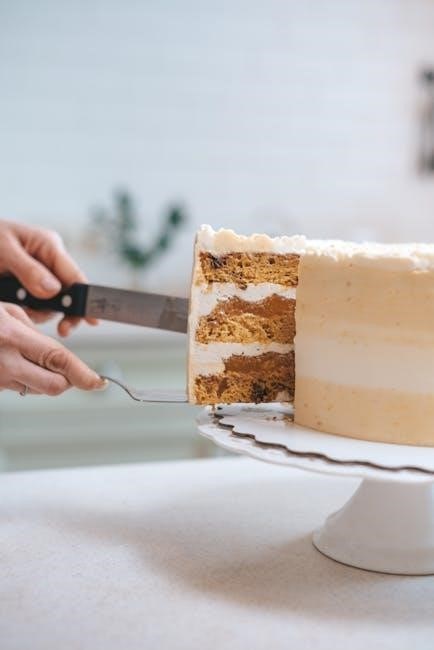
Sheet cakes are perfect for large gatherings, offering efficient party portions. Their rectangular shape simplifies cutting, making them an excellent choice for catering events that require numerous servings quickly.
Quarter Sheet Cake
A quarter sheet cake typically measures around 9×13 inches or sometimes 10×14 inches, making it an excellent choice for medium-sized gatherings. Despite its name, it provides a generous number of servings, generally ranging from 18 to 24 standard party slices, depending on how it’s cut and the desired portion size. This particular size is incredibly versatile, fitting perfectly for birthday parties, family celebrations, or office events where you need to feed a moderate crowd without the excess of a larger cake. Its manageable dimensions make it easier to transport and store compared to half or full sheet cakes. When planning your event, a quarter sheet cake offers a fantastic balance between ample servings and practicality, ensuring everyone gets a delightful piece without overwhelming your dessert table. It’s often the go-to option when you want to provide a substantial cake experience without the commitment of a much larger slab, proving ideal for intimate to moderately sized celebrations where quality and convenience are key.
Half Sheet Cake
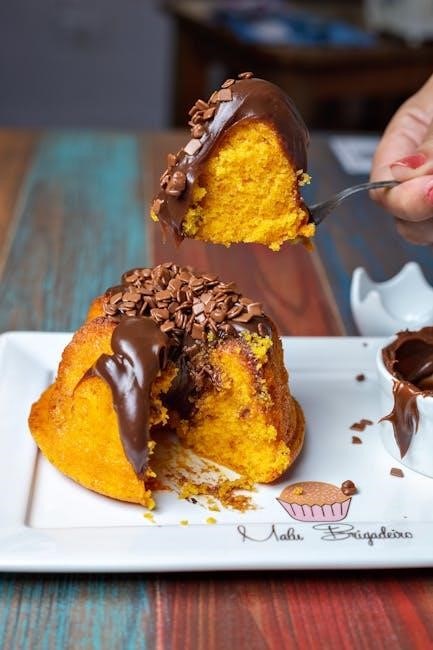
A half sheet cake is a popular choice for larger gatherings, typically measuring around 11×15 inches or sometimes 12×18 inches. This substantial size is designed to cater to a significant number of guests, commonly yielding between 36 and 54 servings, depending on the cutting method and desired portion size. It strikes a perfect balance between the smaller quarter sheet and the much larger full sheet, making it incredibly versatile for various events. Ideal for medium to large birthday parties, anniversary celebrations, corporate functions, or even as a secondary cake at weddings, the half sheet offers ample dessert without being overwhelmingly large. Its generous dimensions ensure that all attendees can enjoy a slice, making it a reliable option for event planners. This size is particularly favored when you need to feed a crowd efficiently while still maintaining a sense of elegance and celebration. It’s a workhorse in the world of event catering, consistently delivering satisfaction to many guests with ease and flair.
Full Sheet Cake
The full sheet cake represents the pinnacle of large-scale dessert catering, designed to serve an impressive number of guests. Typically measuring around 18×24 inches, this substantial cake is the largest standard size available, making it the go-to option for significant events. It commonly yields between 72 and 96 servings, though with careful party-style cutting, it can stretch to satisfy 108 to 128 individuals. This immense capacity makes it ideal for very large gatherings such as grand weddings, major corporate functions, extensive school events, or large community celebrations where feeding a massive crowd is paramount. The full sheet cake offers unparalleled efficiency and economy when catering to hundreds, ensuring no one is left without a slice. Its grand presence is both practical and celebratory, guaranteeing ample dessert for all attendees. It’s the ultimate solution for high-volume serving, providing a delicious and generous treat to truly big groups with ease.
Maximizing Servings with Smart Cutting

To optimize the number of slices from any cake, strategic cutting is key. Employing clever techniques ensures every piece is uniform and maximizes the yield, preventing waste and satisfying more guests efficiently.
Recommended Cutting Methods
For optimal serving, various cutting methods ensure uniformity and maximize yield. For round cakes, the concentric circle method is highly recommended. Begin by cutting a small circle in the center of the cake. Next, make radial cuts from this inner circle outwards to the cake’s edge, creating wedges. The remaining inner circle can then be sliced into smaller, rectangular portions. This approach is particularly effective for larger round cakes, yielding consistent, manageable servings. Alternatively, a simple grid method can be applied to round cakes by cutting parallel lines across, then rotating and repeating, creating square slices. For square or rectangular cakes, the grid method is straightforward: make parallel cuts down the length, then parallel cuts across the width, forming neat, uniform squares or rectangles. Regardless of the shape, using a long, sharp, thin-bladed knife is crucial. Dipping the knife in hot water and wiping it clean between each slice prevents frosting drag and ensures perfectly separated portions. These techniques not only maximize the number of servings but also present a professional and appealing display.